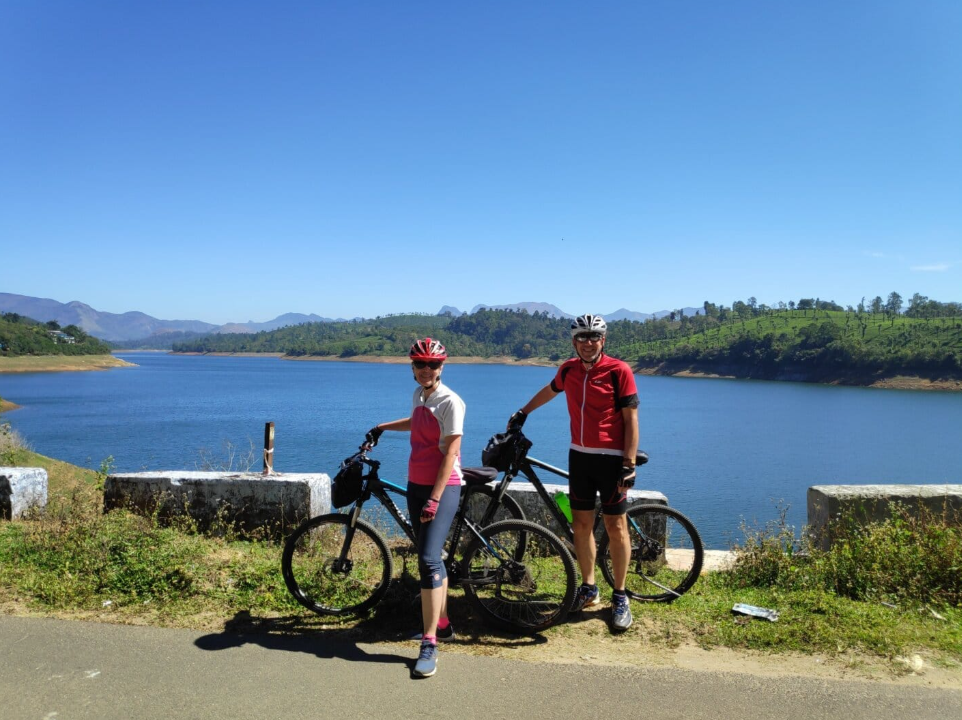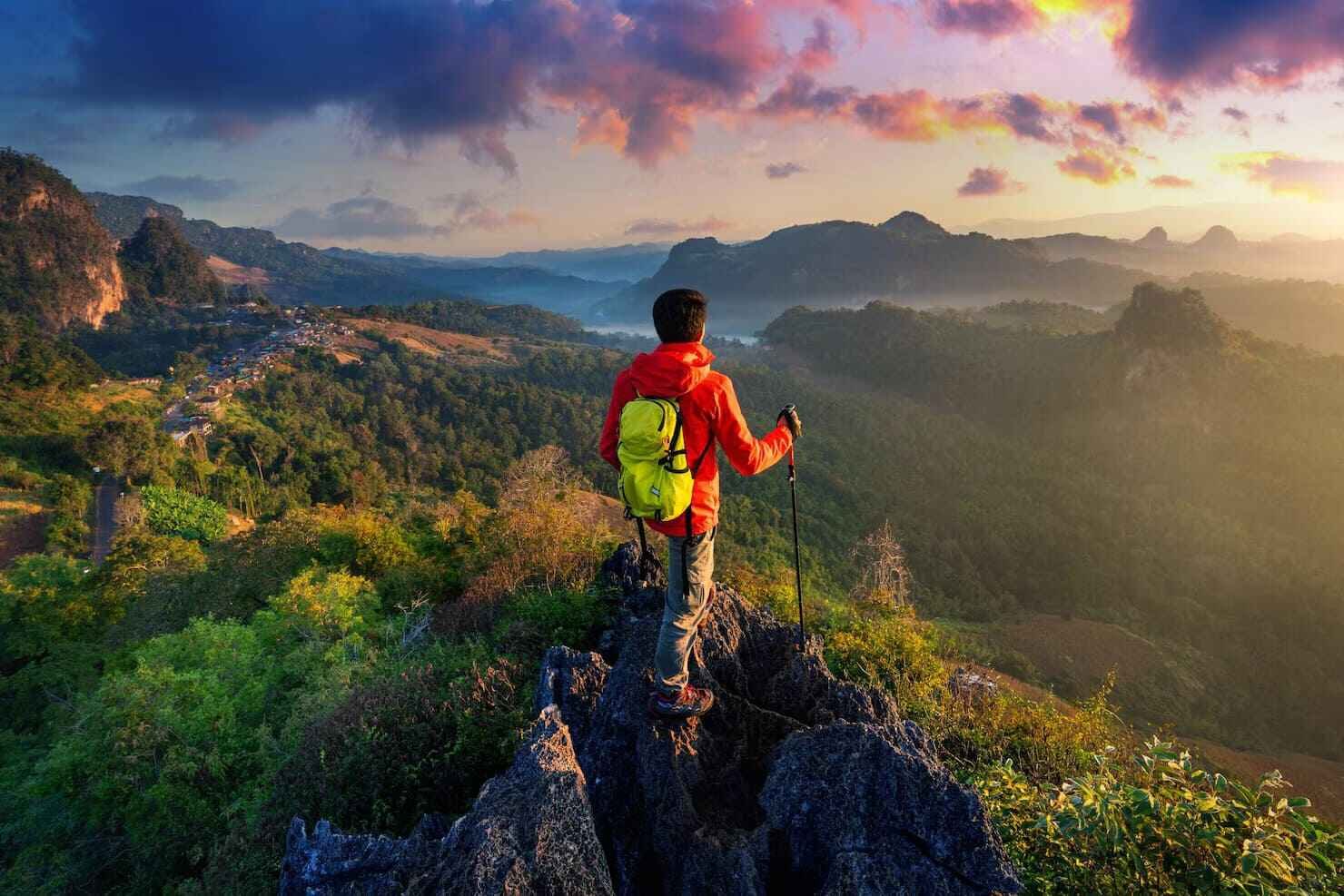
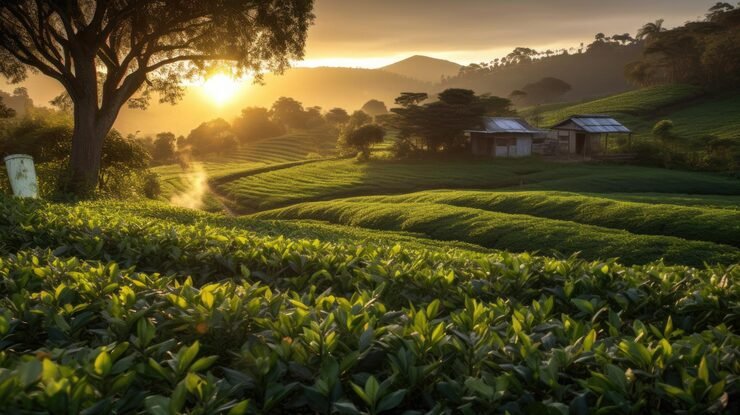
South India is one of the most rewarding regions in Asia for travellers seeking culture, nature, wildlife, adventure, and meaningful local experiences. From the tea plantations of Munnar and the backwaters of Kerala to the temples of Tamil Nadu, the beaches of Goa, and the wildlife reserves of Karnataka, every region offers something unique.
While South India is generally easy and comfortable to travel through, a little preparation can make your journey even more enjoyable. Here are some practical tips gathered from years of guiding travellers across India and Sri Lanka.
Understanding South India’s Diversity
South India is not a single destination. It is a collection of distinct regions, cultures, languages, landscapes, and traditions.
A single journey may take you from tropical beaches and fishing villages to mountain tea plantations, wildlife reserves, historic cities, and peaceful rural communities. Distances can be significant and conditions can vary greatly between destinations.
Approaching the region with curiosity, patience, and flexibility often leads to the most memorable experiences.
When is the Best Time to Visit?
The most popular travel season generally runs from October to March, when temperatures are more comfortable and rainfall is lower.
October to March
- Pleasant weather
- Ideal for cycling, trekking, and outdoor activities
- Clear mountain views
- Popular travel season
April to June
- Warmer temperatures
- Excellent for hill stations such as Munnar, Ooty, and Kodaikanal
- Fewer visitors
June to September
- Monsoon season
- Lush landscapes and dramatic scenery
- Excellent for nature lovers and photographers
- Some outdoor activities may be weather dependent
Each season offers a different perspective of South India.
Money & Payments
Credit and debit cards are widely accepted in cities, larger hotels, and many restaurants. However, cash remains useful in rural areas, local markets, tea shops, small cafés, and village stores.
We recommend:
- Carrying a small amount of local currency
- Informing your bank about international travel
- Keeping a backup payment method
ATMs are available in most towns and cities throughout South India.
Mobile Connectivity & Internet
Mobile coverage is generally good across most destinations. However, mountain regions, forest areas, and remote villages may occasionally experience weaker signals.
Before setting out for self-guided activities, it is always advisable to:
- Download offline maps
- Save GPX navigation files
- Carry a power bank
- Store important contact numbers offline
Most hotels provide Wi-Fi, although speeds can vary in remote regions.
Health & Wellbeing
South India is a tropical destination and temperatures can be high, particularly in coastal regions.
Simple precautions can make a significant difference:
- Drink plenty of water
- Use sunscreen
- Wear a hat or cap
- Avoid prolonged exposure during the hottest part of the day
- Carry personal medication
Travel insurance covering medical emergencies and trip interruptions is strongly recommended.
Food & Water
South India is famous for its diverse and flavourful cuisine.
Popular dishes include:
- Dosa
- Idli
- Appam
- Kerala Sadya
- Seafood curries
- Chettinad cuisine
- Sri Lankan rice and curry
To avoid stomach discomfort:
- Drink bottled or filtered water
- Introduce spicy foods gradually
- Choose freshly prepared meals
- Seek local recommendations when trying street food
One of the joys of travel in South India is discovering local cafés, family-run restaurants, and roadside tea stalls.
Respecting Local Culture
South India is welcoming and diverse, but local customs are important.
When visiting temples and religious sites:
- Dress modestly
- Cover shoulders and knees
- Remove shoes before entering
- Ask permission before taking photographs
In villages and private homes, respectful behaviour and genuine curiosity are often appreciated and warmly reciprocated.
Wildlife & Nature Experiences
South India offers exceptional opportunities for wildlife encounters.
Popular wildlife regions include:
- Periyar National Park
- Nagarhole National Park
- Bandipur National Park
- Wayanad Wildlife Sanctuary
- Wilpattu National Park (Sri Lanka)
- Yala National Park (Sri Lanka)
Wildlife sightings can never be guaranteed, but patience and a quiet approach often provide rewarding experiences.
What Should You Pack?
Packing requirements vary depending on your itinerary.
For most journeys we recommend:
- Lightweight clothing
- Comfortable walking shoes
- Hat and sunglasses
- Sunscreen
- Insect repellent
- Rain jacket
- Swimwear
- Universal travel adaptor
- Camera or binoculars
If travelling to mountain regions such as Munnar, Ooty, Kodaikanal, or Nuwara Eliya, a light jacket or fleece is recommended.
Travelling Slowly
One of the greatest rewards of travelling in South India is slowing down.
Take time to:
- Stop at a village tea shop
- Watch fishermen return with their catch
- Explore local markets
- Speak with local people
- Observe daily life
The most memorable experiences are often found away from major tourist attractions.
Why Travel with Origin Nature Journeys?
At Origin Nature Journeys, we believe the most rewarding journeys happen when travellers connect with landscapes, culture, wildlife, and local communities—not simply by visiting destinations, but by experiencing them with curiosity, respect, and at a slower pace.
We specialise in meaningful journeys across India and Sri Lanka, combining cycling, trekking, paddling, wildlife, and cultural experiences with carefully designed itineraries and authentic local hospitality. Whether you prefer the freedom of a self-guided adventure, the reassurance of a semi-supported holiday, or the convenience of a fully supported journey, we offer flexible tour styles to suit your experience, comfort, and travel preferences.
Our local knowledge, thoughtfully curated routes, and personalised support allow you to explore confidently while experiencing the authentic character of every destination.
Our goal is simple: to help you travel freely, explore responsibly, and return home with memories that last a lifetime.
Travel slowly. Explore responsibly.